Global gaming events are the Super Bowls of the esports world. You know how it is at the Super Bowl — electrifying and entertaining. It’s easy to get lost in the rush and forget that behind every smooth broadcast or epic championship, there’s a team of individuals working tirelessly to keep things flowing. But staffing these events isn’t simple. With language barriers and time zone differences, the challenges are as global as the events themselves. That said, here are the top five challenges and how companies can navigate them.
Cultural Awareness and Language in Global Staffing
Imagine you’re organising a tournament with players from over 20 countries. Now imagine trying to manage a multilingual, multicultural team of staff to support it. That language and cultural barrier might be a logistical headache waiting to happen. There could be miscommunications that may lead to technical delays. Apart from that, not paying attention to differences in culture can seriously offend players, sponsors, or audiences.
The solution? Your multilingual team should also be a culturally aware one. That way, they can connect with players and audiences because they understand how they think and feel. If you have an event in Tokyo, for instance, having a Japanese staff member can make it go much smoother. But, even when you don’t have Japanese staff, try to make sure there’s a team member who understands the culture. Imagine scheduling an event on a major local holiday that would be equal parts horrifying and embarrassing.
Managing Across Time Zones: A Challenge in Itself

Photo by StockSnap on Pixabay
When it’s game time in Los Angeles, it might be midnight in London or early morning in Seoul. Coordinating schedules across multiple time zones can leave even the most seasoned event managers scrambling. This challenge often leads to issues with meeting deadlines, maintaining communication, and giving 24/7 coverage during events.
The “follow-the-sun” model can bail companies out here as teams in different regions handle operations during their local work hours. Tech such as scheduling tools and time-zone-conversion software can also help with coordination. Ultimately, clear communication and advanced planning are key to overcoming this hurdle.
Sourcing Skilled Talent for International Events
Working in the gaming industry usually requires niche skills that aren’t always easy to find. Add a global dimension to the mix, and it becomes even more challenging. Organisations often face difficulties finding professionals with both industry-specific skills plus the ability to adapt to the high-pressure, high-octane environments of international events.
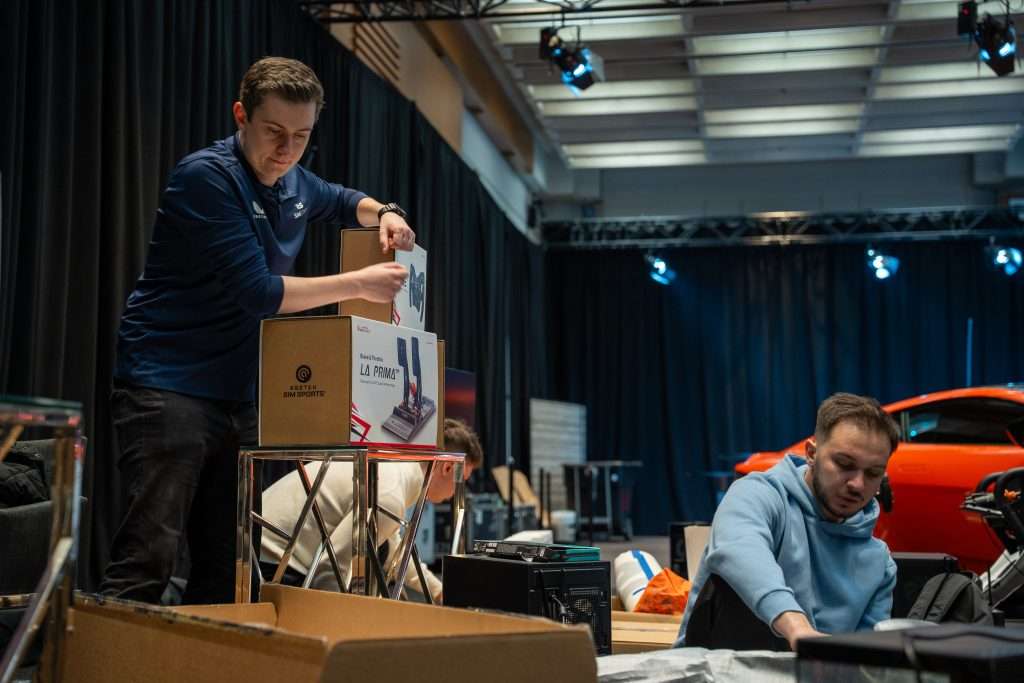
Building partnerships with global staffing providers like SimStaff LTD is one way to deal with this issue. These partnerships can serve as pipelines for sourcing top-tier talent. A remote work and hybrid setup can also help, so you get to hire globally without relocating staff.
Adapting to Technological Demands

Photo by SimStaff
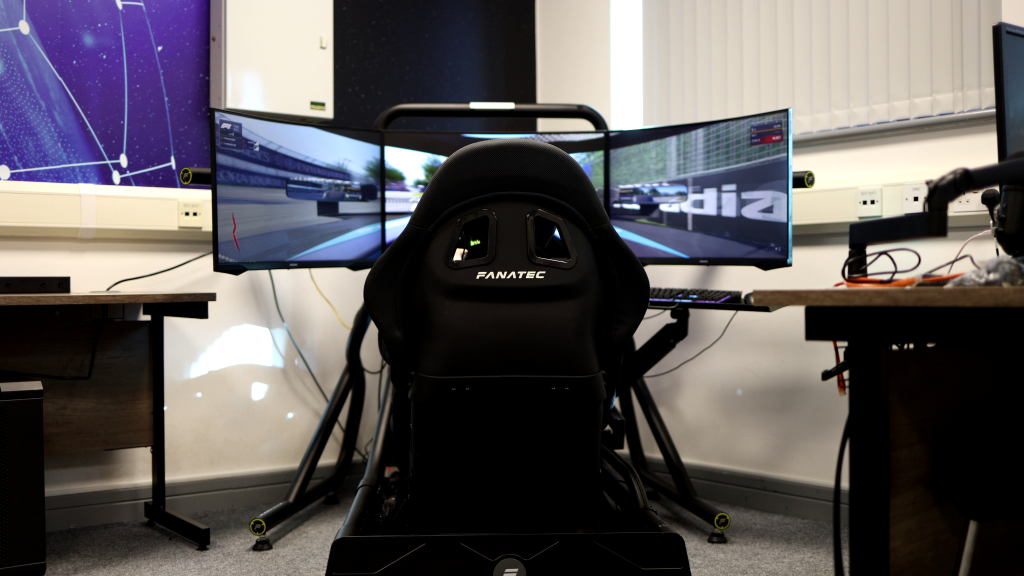
Gaming events live and die by their tech. High-speed internet, reliable servers, and cutting-edge equipment are the lifelines of any esports event. Staff must also have a deep understanding of the platforms and games in use, not to mention the ability to troubleshoot issues on the fly.
The rapid pace of technological advancement can be a worry. There are always new tools and systems, so staff need continuous training. Investing in both hiring tech-savvy individuals and upskilling existing team members is a must if you want to keep up with the demands of the industry.
Balancing Costs While Maintaining Quality
Running a global gaming event isn’t cheap. Between flights, accommodations, salaries, and equipment rentals, your financial situation can get uncomfortable pretty quickly. You don’t want your event to be subpar, so cutting corners on staffing is a no-no. A subpar event can ruin your profits and throw your reputation in the mud as a bonus.
You need to find the middle ground between cost and quality with your budgeting. Outsourcing certain roles to specialised agencies like SimStaff or freelancers can provide flexibility while maintaining high standards.
If you’ve ever played with puzzles, then you might have an idea about how tough staffing for global gaming events can be. There are so many moving pieces. Yet, with the right plan you can succeed and give players and fans alike a memorable experience.