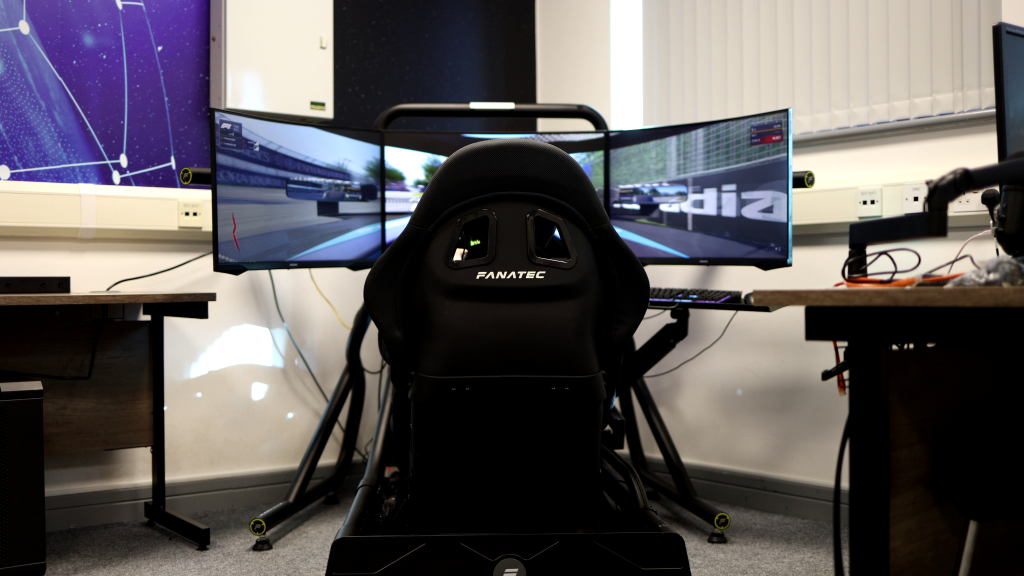
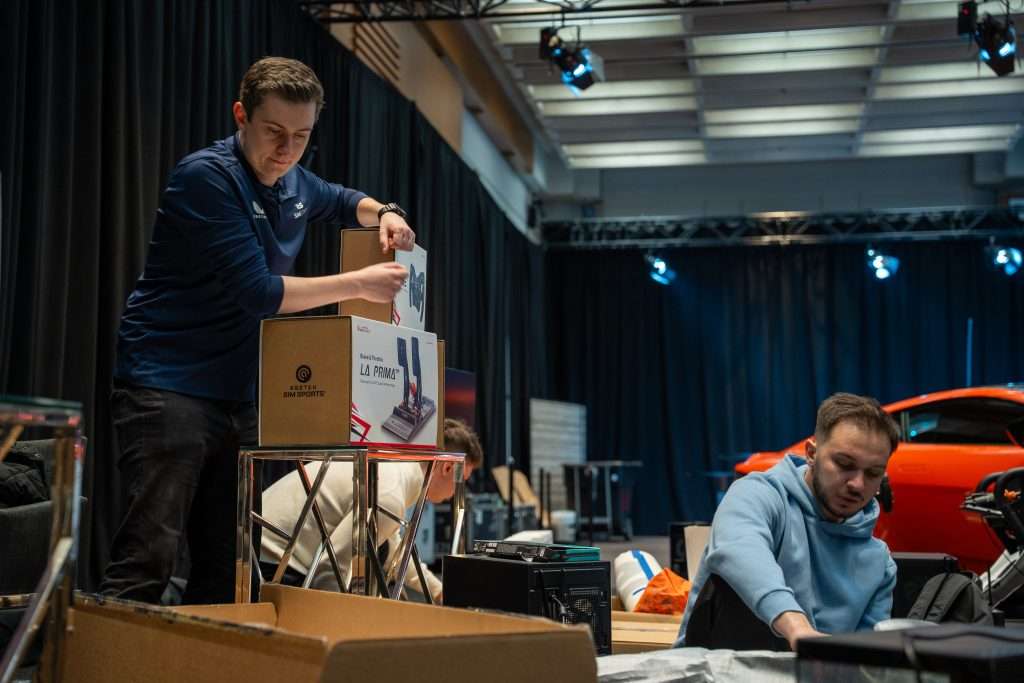
A professional 16-team LAN in a UK Tier-1 city now costs between £800k and £1.1m – up significantly from 2022. The jump isn’t just inflation; it’s infrastructure: hardened networks, pricier hotel blocks, and experienced crews.
Esports events in 2025 are bigger, cleaner, and more expensive than ever. Sponsors expect television-level delivery, players expect full wellness setups, and production teams demand redundancy and reliability. This guide breaks down the real-world costs of hosting a LAN in 2025 – what’s driving the numbers up, where you can safely trim, and what’s non-negotiable if you want to stay credible.
The New Non-Negotiables in 2025
If you’re still budgeting like it’s 2022, these six line items will wreck your spreadsheet. Treat them as mandatory for any professional LAN.
Dedicated Internet Access (DIA)
A private, hard-wired circuit for match servers, admin, and broadcast is essential. Most UK venues require you to use their in-house provider, with separate charges for drops, labour, and static IPs. Include a base DIA line in every tier. Per-drop fees escalate quickly once you add practice rooms and talent areas.
Anti-DDoS Protection
A clean-pipe service is now standard. Providers charge monthly – even for short events – so plan for a minimum of £2,000–£3,000 and cover both build and live days, not just the weekend. Without it, your show can go dark before the first track or map loads.
Bonded Uplink Redundancy
Run a bonded cellular encoder as your live failover. It covers you if the venue circuit drops and gives you a second return path for finals. Day rates vary by model and data bundle. Book it for show days at a minimum and pressure-test the switchover during rehearsals.
Talent and Player Care
Rates for established hosts and casters have risen, and pro teams now expect proper practice space and basic wellness set-up. Allocate one small meeting room per two teams, keep spare peripherals in reserve, and consider physio or massage cover on match days for a premium experience.
Security Scaled to Prize Money and Broadcast
Treat stage access, back-of-house, and player movement like a live TV production. Appoint a security lead, supervisors, and a mix of stewards and guards scaled to both venue size and prize value. The higher the purse, the tighter the control.
Contingency
Allow 10–15% for overruns. Late venue tech orders, last-minute talent swaps, and freight delays happen even on well-run shows. A solid buffer is the key to what separates a recovery from a crisis.

Image Source: SimStaff
Tier Templates with City Deltas
Use these as working budget ranges for a UK event. London costs more for hotels and venue tech. Birmingham and Manchester are cheaper on blocks and crew. All figures are conservative and exclude VAT unless stated.
| Tier | Teams | Match days | Broadcast spec | Network spec | Budget range (GBP) | Prize pool floor | Player care |
| Regional LAN | 8–12 | 2 | 6–8 cameras, PTZ heavy, software switch | 1 DIA, 1 bonded encoder | £200k–£400k | £20k–£60k | 1 practice room, basic wellness |
| Mid-Tier Pro Circuit | 12–16 | 3 | 8–12 cameras, mix of PTZ and operated | 1 DIA, 1 bonded encoder | £600k–£1.1m | £120k–£240k | Dedicated scrim space, physio cover |
| International Championship | 16–24 | 3–4 | 12–16 cameras, operated plus RF, expanded graphics | 1 high-capacity DIA, 1 bonded encoder | £1.5m–£3m+ | £600k–£1.6m | Full wellness and recovery plan |
UK City Pricing
- London: £180–£240 ADR (average daily rate per room) for 3–4 star blocks, with higher DIA fees and labour. Budget the top half of each range.
- Birmingham: ADR and venue costs are cheaper. Budget the middle of each range.
- Manchester: Similar to Birmingham, with solid broadcast support. Budget the middle to lower half of each range, depending on dates.
International Pricing
- Berlin: ADR runs below London; venue tech is strict on exclusivity. Mid-range for most tiers.
- Los Angeles: ADR and crew rates run high; venue internet and labour cost more. Budget the top half of each range.
- Seoul: Established esports infrastructure; hotel blocks are competitive outside peak season. Budget mid-range, but expect higher broadcast standards.
- Riyadh: Premium venues and publisher-backed events set the bar high. Budget top-range for headline shows.
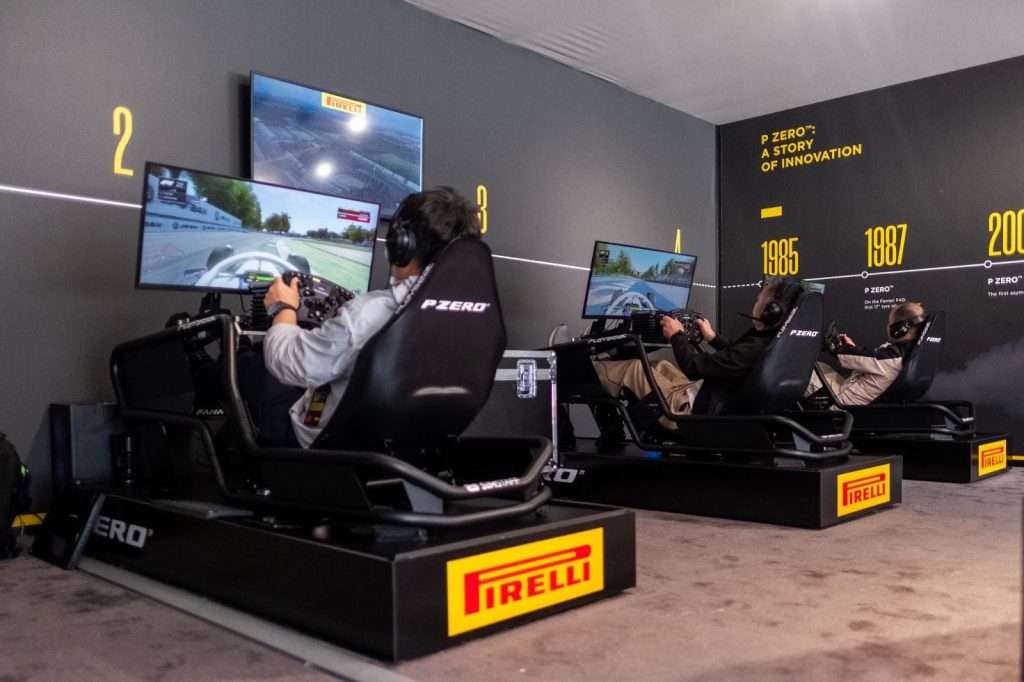
Image Source: SimStaff
Core Equipment and Network Infrastructure
This is where most first-time organisers under-budget. Cost it line by line, then show finance the subtotal. This is what competitive integrity and broadcast reliability actually cost.
Player Stations
- PC tournaments:Budget £120–£220 per station per day for RTX 4070 or 4080-class systems with a 240 Hz monitor, keyboard, mouse, headset, and on-site support.
For RTX 4090-class setups, expect £200–£350 per station per day. Apply a 10–20 per cent bulk discount for 50–200 seats, with spares included.
- Console tournaments:Budget £75–£100 per station per day for PS5 or Xbox Series X setups, including two controllers and headsets.
- Spares: Keep 10–15 per cent extra PCs, monitors, and controllers as hot spares to avoid downtime.
Monitors and Peripherals
High-refresh displays carry a premium. Budget £18–£45 per day per monitor when ordered in bulk, then add stands, cables, and a small float of extras for replacements during play.
Venue Internet
Order a dedicated wired internet circuit for the event. UK venues tier pricing by speed and charge per event or per day, plus separate per-drop fees, install, and labour. Put a base DIA line in each tier, then add a second row for drops and labour.
Keep the broadcast VLAN and match servers off public Wi-Fi, and request static IPs where needed.
Anti-DDoS
Most providers require a monthly minimum. For a one to two-week window, budget £2,000 to £3,000 for the event month. Note the coverage dates in your run of show.
Bonded Uplink
Plan for £350–£500 per day for dry hire, or £500–£650 with data included, depending on model and bundle. Book it for show days and finals, and always rehearse a live failover before doors open.
Worked subtotal example for a mid-tier LAN:
- 60 PC stations for 3 days @ £170 midpoint – £30,600
- Monitors and peripherals – £2,500–£4,000
- Dedicated internet (DIA), drops, and labour – venue dependent; include a visible line item in every budget
- Anti-DDoS (event month) – £2,000–£3,000
- Bonded uplink (3 show days @ £575 midpoint) – £1,725
This subtotal illustrates why network and reliability costs deserve their own category – and how quickly totals escalate if you skip bulk discounts, underestimate drops, or forget spares.
Image Source: SimStaff
Prize Money: Attracting the Talent Pool
Prize money sets expectations for teams, talent, and publishers. Tiers should match your format and travel footprint. Don’t borrow flagship publisher numbers unless you can match their production and reach.
Minimum Pro-Draw Prize Pools for 2025
| Tier | Typical field | Floor that attracts pros |
| Regional LAN | Regional mix of pros and high-tier semi-pros | £20k–£60k |
| Mid-Tier Pro Circuit | Publisher or third-party circuit stop with international teams | £120k–£240k |
| International Championship | 16–24 teams, global draw | £600k–£1.6m |
Game-specific guidance
- Riot/Valve FPS and MOBA: top of each range. These communities benchmark against recent Majors and Champions.
- Rocket League and similar Tier-2 titles: Centre of each range draws known rosters if travel support is clear.
- Fortnite-style ecosystems: Publisher spend is high. Without publisher backing, prioritise production quality and travel support over headline-only pools.
What Matters Beyond the Headline
A big prize pool helps, but it doesn’t close invites on its own. Teams say yes when the basics are nailed: when they know how and when they will be paid, how travel is handled, how the pot is split, and how co-streams will run.
Payment Timing and Tax Handling
Put the payment plan in the invite so there’s no room for confusion. A simple split works: 50% on signature and 50% within 30 days after the final. Name the paying company, the currency, and who covers bank charges and FX fees, and include a finance contact who can reply quickly. Cross-border prizes can trigger local withholding or extra forms, and the rules change by country. US organisations will usually provide a W-8BEN-E; EU teams follow domestic rules; UK teams may have VAT on services such as appearance fees, but prize winnings themselves are generally outside the scope of VAT. If the prize pool is above £100k, name the accountant handling tax compliance so teams know the process is covered.
Late or unclear payments hurt your reputation and make future invites harder. Clean terms, a named payer, and a simple timetable build trust faster than any headline number.
Travel Stipends for Invited Teams
Say up front whether you’ll book travel or pay a stipend. If you pay a stipend, give the amount by region so teams can plan: a sensible range is £150–£250 for domestic UK, £250–£450 for UK–EU, and £600–£900 for UK–US, depending on dates. Pay the stipend to the team’s operations manager and state whether per diems are separate. Confirm the baggage allowance for peripherals and any content kit, and include an invitation letter for visa applications where needed.
If you book travel yourself, work with the airline’s groups department so you can hold seats with a deposit and change names up to a set deadline. That flexibility helps if a roster changes late. Book travel six to eight weeks before your first build day to avoid last-minute prices and limited seats.
Transparent Distribution Across Placements
Publish the prize split with the invite so teams know the minimum they will take home. Most events pay the top eight or top sixteen to keep group matches meaningful. A common top-eight split example is 40%–20%–12%–8%–5%–5%–5%–5%, but adjust to your bracket and game. Add a small guaranteed amount for teams that exit in groups to cover basic costs. If you offer MVP, coach, or content awards, list those as fixed amounts so there is no debate later.
Avoid vague phrases like “subject to sponsorship” or “TBC”. Teams plan their calendars based on guarantees, not maybes. Clear numbers speed up contracts and reduce back-and-forth.
Co-Stream Rules That Increase Reach and Sponsor Value
Co-streams work when the rules are simple and written down. Say who can co-stream, which platforms are allowed, what delay they must run, and which logos and lower-thirds has to be visible. Provide a clean feed, approved music, and short sponsor reads so the message is consistent. Typical terms include a 2–5 minute delay, visible sponsor assets, no competitor branding on the overlay, ad breaks that line up with the main show, and a standard credit in the stream title.
After the event, ask co-streamers for a short report with unique viewers, peak concurrents, and watch time so partners can see the value. If someone ignores the rules, remove their access. Your sponsors paid for visibility, and you are responsible for delivering it.

Image Source: SimStaff
Player Accommodations and Logistics
Treat player movement and rest as performance variables – budget them early, not as afterthoughts.
Hotel Blocks
- London: £180–£240 ADR for 3–4-star blocks; expect higher rates for citywides and weekends.
- Birmingham: £110–£150 ADR for comparable quality.
- Manchester: £120–£160 ADR; rates fluctuate around major events.
Request quiet floors, breakfast included, and late check-out on finals day. Reserve one small meeting room per two teams for practice, reviews, and downtime.
Flights, Group Travel, and Player Logistics
Treat team travel like an extension of match operations – planned early, costed accurately, and managed through flexible group agreements.
Flights and Group Desks
Airline group bookings typically start at 10 passengers. Expect to pay a small deposit, with flexible name changes permitted until ticketing. Final names are usually due two to four weeks before departure.
Group fares aren’t always cheaper than retail; the value lies in flexibility and guaranteed seat inventory.
Typical Return Fare Ranges
- UK domestic: £50–£100 (low-cost) / £80–£180 (legacy)
- UK–EU: £80–£180 (low-cost) / £150–£300 (legacy)
- UK–US: £400–£700 (low-cost or hybrid) / £500–£900 (legacy)
If rail is practical within the UK, you can compare total journey time and baggage fees against short-haul flights, it may end up cheaper.
Practice Rooms and Wellness
| Item | London (per day) | Birmingham (per day) | Manchester (per day) | Notes |
| Practice room (40–60 people) | £300–£700 | £200–£500 | £200–£500 | Use hard-wired internet, not guest Wi-Fi. |
| Wellness (physio or massage) | £300–£600 | £300–£600 | £300–£600 | Add water and light snacks on match days. |
Worked example: 50 players + 10 staff, 4 nights, London
| Line | Cost | Notes |
| Rooms | £29,400 | 35 rooms × 4 nights at £210 ADR; twins for players, singles for staff. Add VAT/fees to land ~£33,000–£35,000. |
| Flights (UK–EU) | £10,800 | £180 midpoint × 60. |
| Flights (UK–US) | £42,000 | £700 midpoint × 60. |
| Per diems | £10,800 | £45 × 60 × 4. |
| Practice rooms | £6,000 | 3 rooms × 4 days × £500 midpoint. |
| Wellness | £1,500 | £500 per day × 3 live days. |
| Indicative subtotal (EU roster) | ~£61,000 | Before airport transfers and excess baggage. |
| Indicative subtotal (US roster) | ~£92,000 | Before airport transfers and excess baggage. |
Excludes airport transfers and excess baggage.
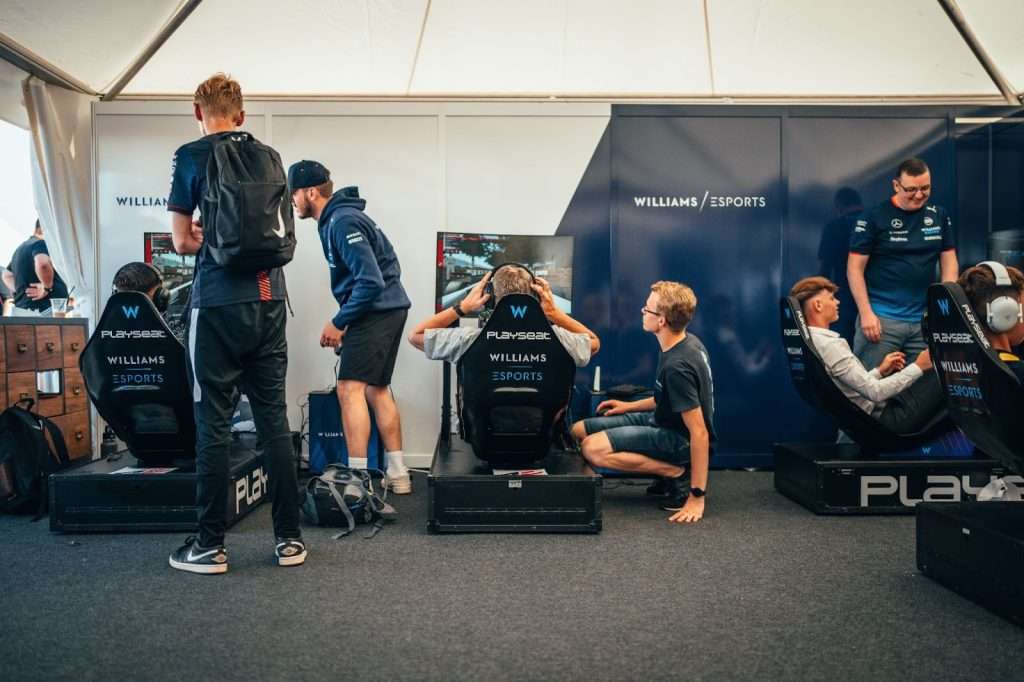
Image Source: SimStaff
Staffing and Production Crew Costs
Crew pricing depends on market, experience, overtime rules, and union coverage. Start with credible day-rate bands and build a clean crew list by tier.
Core day-rates in the UK
| Role | Typical day-rate |
| Broadcast Technical Director / Director | £800–£1,200 |
| Camera Operator | £494–£612 |
| Lead Host / Commentator | £400–£1,200; notable names higher |
| Security Lead | £200–£480; supervisors and stewards additional |
| Event or Stage Manager | £600–£1,200 |
Factor in overtime and turnaround. Long show days stack quickly without a rotation schedule.
Broadcast kit and services
| Item | Working cost |
| PTZ cameras (4K class) | £200–£250 per day each |
| URSA Broadcast G2 or similar | £150–£565 per day; package dependent |
| FX6 body | £120–£180 per day |
| vMix Pro licence | ~£950–£1,050 one-off or ~£40–£45 per month for a subscription tier |
| Multistream platform | £160–£200 per month for business tier |
| Bonded uplink | £350–£500 per day dry hire; £500–£650 per day with data bundle |
Crew Counts by Tier
Start here and scale with stage size and camera plan.
- Regional LAN: Technical Director (TD), 1 vision op, 1 graphics, 1 audio, 2–3 cam ops or PTZ controllers, 1 stage manager, 1–2 runners, 1 security lead with stewards
- Mid-Tier Pro Circuit: TD, vision, graphics, replay, audio A1 plus A2, 4–6 cam ops with a PTZ mix, stage manager and assistant, 2–3 runners, floor manager, security lead with supervisors and stewards
- International Championship: Full gallery including replay team and engineer in charge, 6–10 operated cameras plus PTZs and RF, A1 with A2s, comms tech, floor manager, larger security team, talent manager, and a dedicated practice-room marshal
Hybrid and Remote Production
Send clean SRT feeds for remote casters when travel isn’t viable. Run a comms path with low latency.
Multistream to publisher and co-stream partners with a single master output. Platform automation handles slate and ad breaks.
Run a bonded path as your live failover, not a convenience. Test the cutover during tech checks.
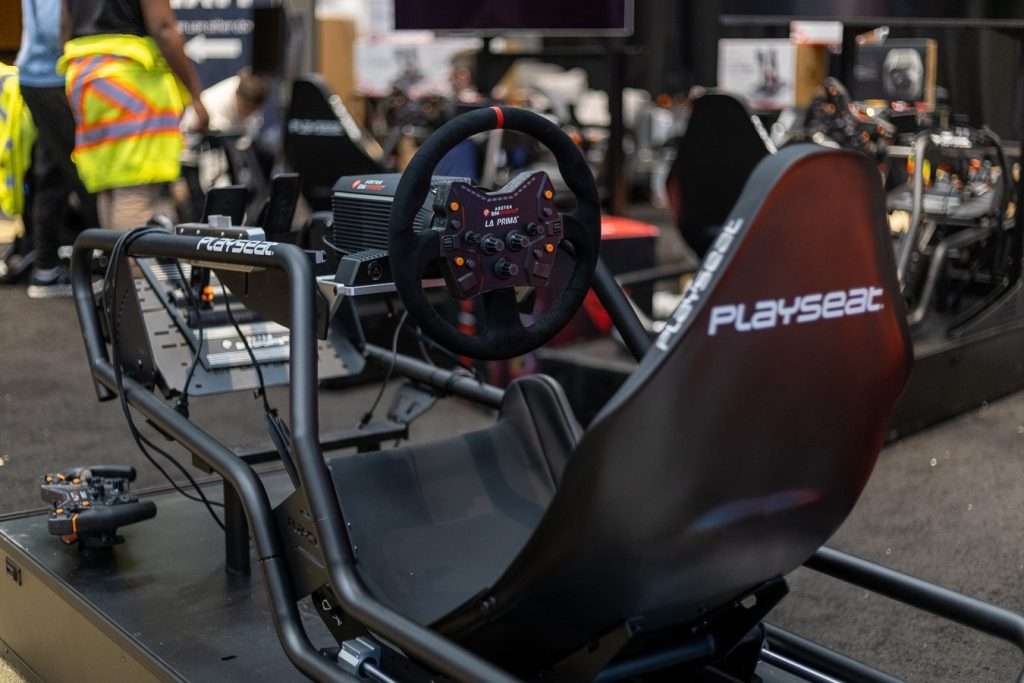
Image Source: SimStaff
Operational Extras
Small costs that cause big problems if you forget them. Budget them early or pay for them later.
Event Insurance
Public liability, employer’s liability, equipment, and cancellation. Premiums scale with attendance, venue rules, and prize pool. Budget insurance as a percentage of total exposure, not a rounding error.
Medical and First Aid
Baseline staffing on public days runs £21–£34 per hour per person. Include a dedicated medic at stage, a quiet room, and a clear escalation path.
Power, Staging, and Rigging
Venue handbooks and exclusive contractors control these costs. Power distribution, riggers, MEWPs, and out-of-hours access attract premiums. Finalise your rigging plot early; redraw fees add up fast.
Freight and Storage
Case counts rise once you add spares and lighting. Budget on-site storage and a buffer for off-hours moves. Multiple suppliers? Assign a single dock contact.
Compliance and Rights
Music usage, VOD rights, co-stream policy, and brand approvals. Low-cost lines with high legal risk. Lock them in writing before you finalise creative.
Safeguarding and Security
If minors compete, include DBS-checked staff and a clear chaperone policy. Map access zones for players, talent, crew, and public, then scale the security team to that plan.
Accessibility and Sustainability
Step-free player routes, interpreter access, quiet spaces, and clear signposting. For sustainability, outline a simple plan: LED lighting, reusable set pieces, and vendor consolidation for fewer miles. Sponsors value this.
International Touring
ATA Carnet issue fees run £200–£400, plus security. Factor in customs time on both legs.
Lead Times
Venue tech orders, airline group names, talent contracts, and carnets all have hard deadlines. Miss one and you pay in rush fees or lost options. Run a single master timeline.
Image Source: SimStaff
Finalising Your Budget
Three things push costs up in 2025: professionalisation, technology, and inflation. Teams expect real practice space and wellness. Broadcasts assume bonded failover and a clean pipe. Hotels and flights cost more than they did in 2019.
Protect these:
- Network integrity: dedicated circuit, DDoS cover, bonded path
- On-air quality: the right camera mix, clean graphics, reliable comms
- Player logistics: proper sleep, practice space, travel support
Save here:
- SimStaff support: use us for the hard parts. Network, crew, or logistics. Keep your team focused on the show.
- One high-capacity DIA with strict VLANs beats two circuits
- PTZs for wides and locks; operated cameras for hero shots only
- vMix and solid GPUs replace unnecessary hardware
- Pick your prize tier and hold it; extra money goes to broadcast and travel
- Name the practice rooms or wellness area for sponsorship value
Budget 10-15% contingency. Late tech orders, travel delays, and crew changes happen even on well-run shows. If you’re unsure about a number, treat it as a risk and fund it.
If you need a partner, SimStaff covers crew, tournament ops, network and broadcast support, and end-to-end logistics to keep the budget tight and make sure the show runs smoothly.