People won’t always tell you what’s wrong with your event. They won’t mention the waste, the noise, or the way they left more drained than inspired.
But they’ll definitely remember how they felt about it, and they probably won’t come back.
That’s the quiet truth behind events today: they aren’t only judged by how grand the stage is or the magnificence of the setup. They’re also judged by how responsibly they’re run and how well they care for the people in the room.
The best ones leave you lighter, are run cleanly, and reflect something unique about the brand behind them. And they do it without compromising the experience.
So, what does that actually look like in practice?
What Is a Sustainable Event and Why Does It Matter?

Image Source: SimStaff
We throw the word sustainability around a lot, but half the time, no one’s really clear on what it means in practice. To be clear, a sustainable event isn’t just “eco-friendly.”
It’s an experience designed to care for the environment, people, and the energy it creates. It’s about lowering waste, yes. But it’s also about making the experience less overwhelming and more accessible.
A lot of organizers still think sustainability means major changes and bigger budgets. In reality, it usually comes down to the small stuff – the things most people overlook.
How are guests getting there? What happens to materials once the event is over? Was that signage really necessary? Can everyone, no matter their ability, actually take part?
These kinds of questions might seem minor, but they shape the entire feel of the event. They influence how much waste is left behind, how smoothly the day runs, and what people remember afterward.
And yes, it matters. A 2023 Deloitte study found that nearly one in three consumers have stopped buying from brands they felt weren’t doing enough around sustainability. Not everyone will call it out – but they’re paying attention. This isn’t just a climate conversation anymore; it’s a credibility one.
That’s why more companies are shifting how they plan. Not because it looks good on paper, but because it works. Sustainable events feel better. They’re calmer. Guests stay longer. They engage more. They actually want to share the experience when it’s done right.
Making an event sustainable isn’t just about using fewer resources. It’s about building something that feels thoughtful, focused, and easy to be part of.
How to Create a Sustainable Event in 2025

Image Source: SimStaff
Making your event sustainable doesn’t mean a total overhaul. You don’t have to reinvent everything, but you do have to be intentional, because nearly everything in an event leaves a mark.
Start with the right venue. Can people get there without flying? Is public transport an option? Is the venue energy-efficient or locally powered? Little decisions like these go a long way in reducing footprints and creating a more thoughtful event.
After that, consider what materials need to be printed, shipped, or thrown away. Most programs can be accessed through an app. Signage can be reused. Name tags don’t need plastic. You’d be surprised how many materials are used once and then trashed – just because no one thought about another way.
Then there’s entertainment. This is where many events slip up. Renting gas-powered go-karts or building elaborate one-time stages might seem impressive, but they leave a mess behind—financially and environmentally.

Image Source: SimStaff
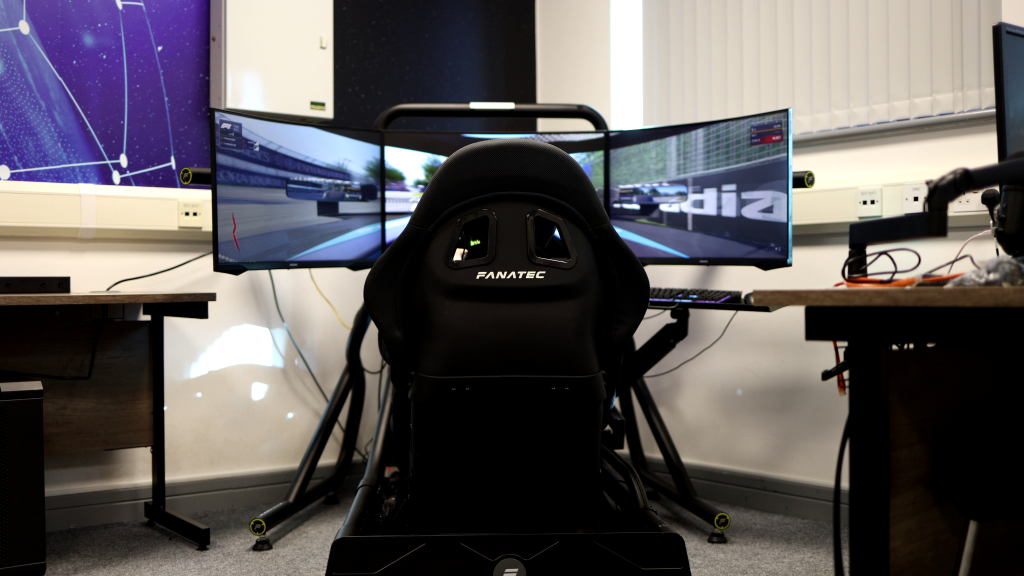
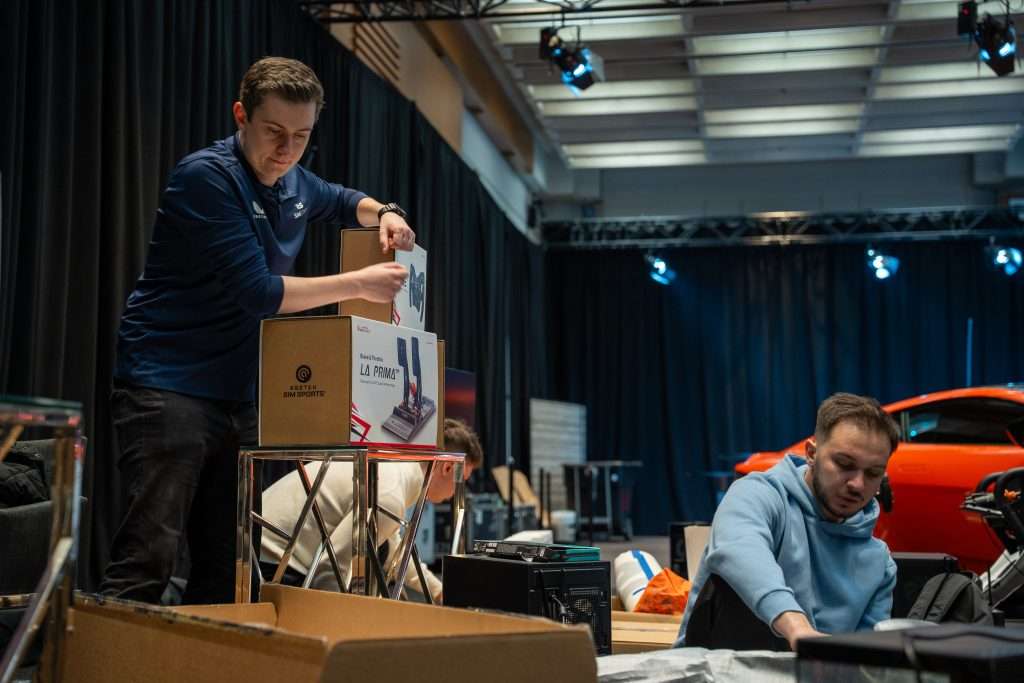
There are better options now. Take sim racing, for example. Motorsport Prospects notes that replacing real-track runs with simulator hours cuts more than 450 tons of CO₂ and saves millions in fuel and maintenance costs. That same sense of speed and competition, without the emissions, noise, or risk.
It also helps to go local by using nearby vendors. Choose food that’s in season and sourced locally. Cut down on travel where you can, and offer options for remote participation when feasible.
All of these choices rest on one simple idea: be thoughtful about every detail. You don’t need to hit perfect scores. But when each decision adds up in the right way, the result feels better – for guests and for the planet.
Building Inclusion and Wellbeing Into Modern Events

Image Source: SimStaff
A sustainable event does two things: it protects the planet and also cares for the people in the room.
But many organisers don’t handle this well. They manage the logistics and flow but forget to ask how the attendees feel.
Wellbeing in events isn’t complicated. It’s about paying attention to the energy in the room and how comfortable the guests are. Some guests need a place to step away and reset. Others need options that don’t revolve around alcohol. Many just want to feel like the event was designed with them in mind.
This is where thoughtful planning makes a real difference: quiet zones, active sessions, alcohol-free social spaces, seating that works for everybody, and language that doesn’t assume anything. These things make people feel safe, seen, and welcome.
And inclusion doesn’t stop at feelings. It’s physical, too. Can someone in a wheelchair easily navigate the venue? Are there accommodations in place for neurodivergent guests who require extra support? Is the layout built for people, or just for aesthetics?

Image Source: SimStaff
Entertainment matters here as well. Activities like sim racing strike the perfect balance. They’re fun, active, and include just about everyone – regardless of age, ability, or background. People don’t need to be athletic or drink to have a good time. They just sit in, play, connect, and enjoy themselves.
That’s the kind of experience people remember.
The best events today create space – space to connect, to recharge, to feel at home. It’s not about making things quieter or softer; it’s about making them more inclusive, more alive. Because when people feel good, they stay longer, engage more, and actually want to come back.
FAQ
What is a sustainable event?
A sustainable event is one that’s planned to reduce its impact on the environment while also supporting people’s wellbeing. This means using less energy, reducing waste, selecting local and low-impact vendors, and ensuring the event is inclusive and accessible to everyone.
How do I create a sustainable event?
Start with what matters most: venue, travel, materials, and energy. Choose locations that are easy to get to without flying. Go digital wherever you can – tickets, schedules, and signage. Avoid one-time-use materials. Use vendors who source locally. For entertainment, consider low-impact activities like VR, interactive games, or sim racing instead of setups that rely on fuel or require heavy shipping.
What are ways to make event entertainment more eco-friendly?
Go digital and keep it light. Sim racing, VR booths, mobile projection setups, and gamified digital experiences all offer high engagement without creating a lot of waste. These setups don’t need fuel, don’t require huge teams or shipping, and can often be reused or scaled.
Why should wellbeing be a priority in event planning?
Because people are tired. They’re overstimulated. And they’re more likely to connect with experiences that make them feel calm, cared for, and included. Prioritising wellbeing – through quiet zones, alcohol-free options, and accessible design—makes your event better for everyone. And when people feel better, they engage more.
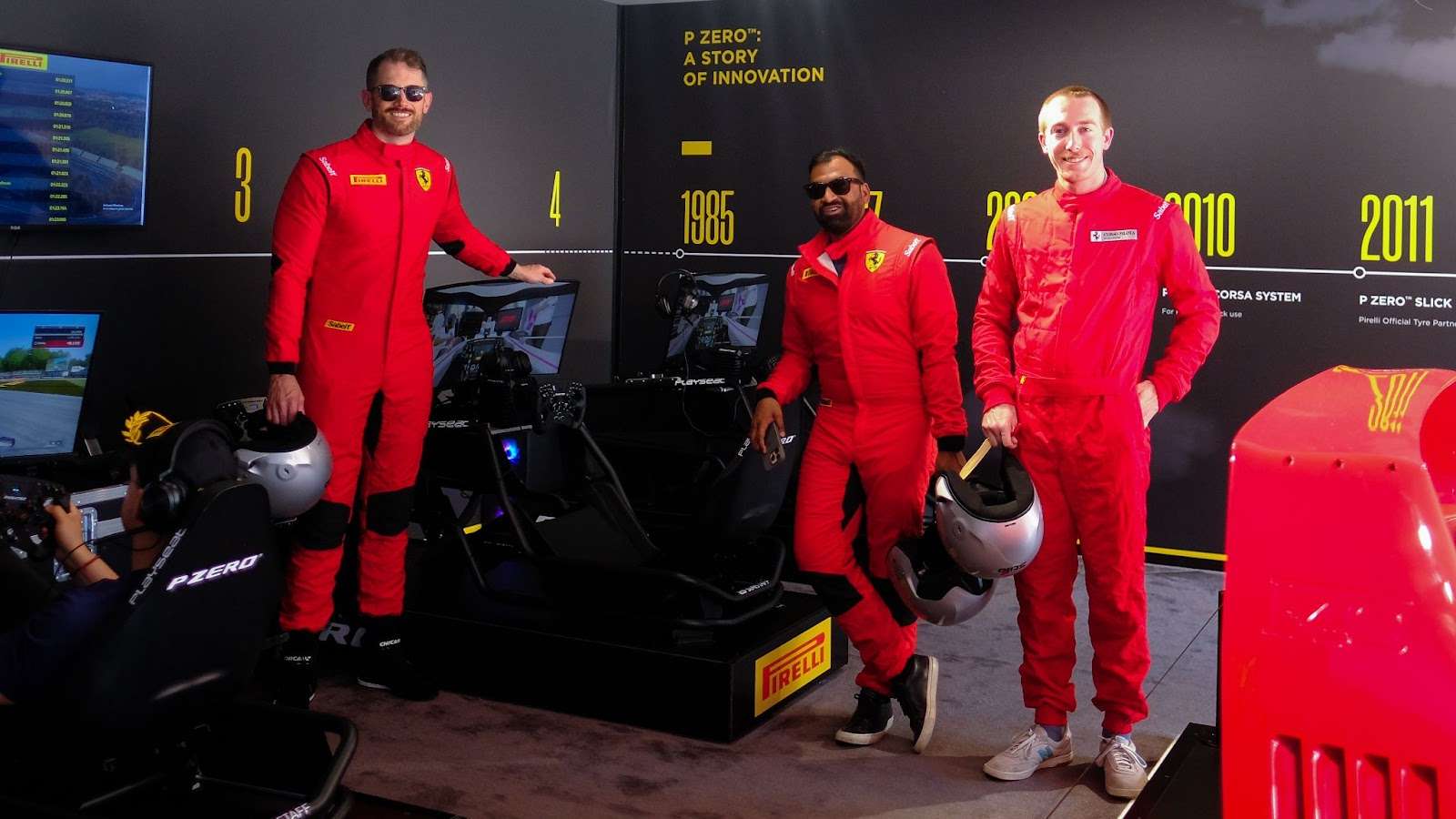
Image Source: SimStaff
Conclusion
The best events in 2025 won’t be the biggest or the flashiest. They’re the ones that feel right – thoughtful, clean, inclusive, and designed for people who want to show up and feel good about being there.
Sustainability and wellbeing aren’t extra touches anymore; they’re the new standard. And building them into your event isn’t hard – it just takes intention.
If you’re planning an event that people will remember for the right reasons, we’d love to help. Let’s build something that works for the planet and the people in the room.