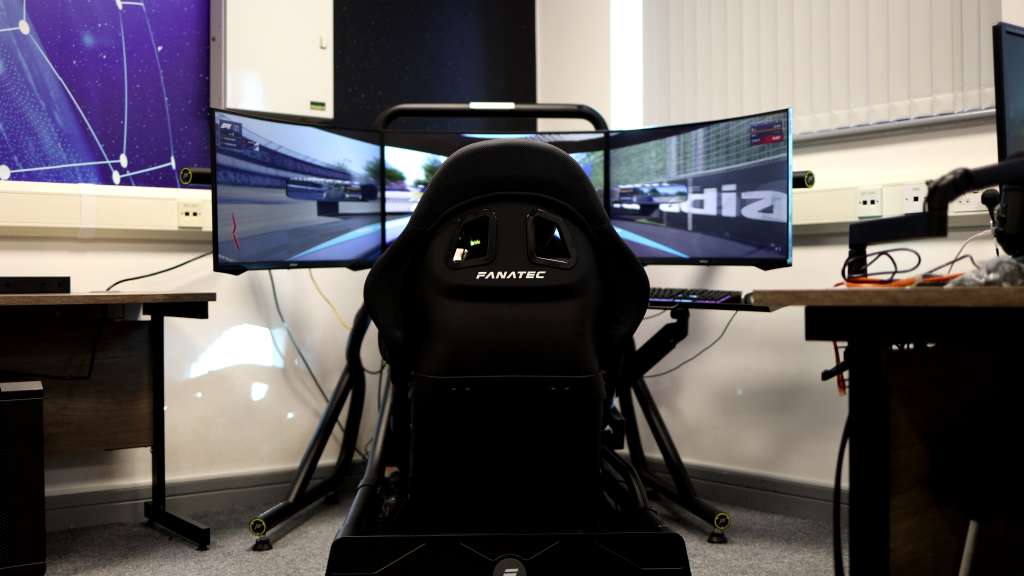
Is 8 Nm enough for your sim racing needs? In this entry we will be covering how to choose the right torque for your direct drive wheelbase based on your driving style, goals, and setup. Choosing the right wheel base is one of the first things to decide when you step into the world of sim racing, and might as well define your perception of it. Just like in the real world, where the steering control makes the driver feel at one with the car, the wheel base will allow your virtual car to talk to you.

Image Source: SimStaff
Understanding Torque in Direct Drive Wheel Bases
Direct drive wheelbases are prized for delivering that pure connection mentioned earlier. There’s no belt or gear softening the feel – just motor to wheel. If you’re stepping into the world of direct drive sim racing, torque is a word you’ll hear a lot – and for good reason. It’s one of the key factors that shape how “real” your driving experience feels. In simple terms, torque is the rotational force you feel through the steering wheel. It’s what gives you that unmistakable sensation of tire grip, road texture, weight shifting, and even the jolt of hitting a kerb. That feedback is your virtual car talking to you, and the clearer the message, the better you’ll drive.
When comparing options, two torque values stand out:
- Continuous torque: The steady force your wheelbase can deliver over long stints.
- Peak torque: The short bursts of maximum force before the motor needs a breather.
While peak torque might sound like a flex, continuous torque is what really counts for consistent, comfortable racing. Think of it like this: you don’t sprint a marathon. If you constantly push a wheelbase to peak torque, it’ll heat up, wear out faster, and possibly dull your feedback – not ideal. The continuous torque value is less than the peak torque. So the peak torque feedback will be like a jolt, and the continuous torque feedback will be when you turn the steering wheel.

Image Source: SimStaff
What 8 Nm Really Delivers
In sim racing circles, 8 Nm is a sweet spot. It’s strong enough to give you high-fidelity feedback, yet tame enough to use comfortably without needing a full-blown racing cockpit.
To put things in perspective:
- Road cars with power steering usually produce about 2–3 Nm.
- Classic or non-assisted cars are around 5–7 Nm.
- Track-ready sports cars fall into the 7–10 Nm zone.
- Race machines like LMP2s or GT2s? They crank out 10–12 Nm, exceeding 15 Nm in some cases
So, with 8 Nm, you’re already simulating the feel of high-performance sports cars. That means crisp feedback, clear communication on grip levels, aerodynamic and weight shift through, let’s say, a mechanically demanding corner like the Eau Rouge and Raidillon, and enough detail to feel surface texture and balance changes mid-corner. It’s miles ahead of belt-driven wheels and gives most sim racers all the realism they need.
If you’re using lighter wheels or driving smoother cars like open-wheelers or road vehicles, 8 Nm will feel just right. It hits that balance between realism and comfort, especially if you do long sessions, where higher torque can cause fatigue in your arms. In the case where wheels have a smaller radius, like the formula-style ones, that suits the 8 Nm torque requirement perfectly, since torque is basically the force from your arm multiplied by the wheel radius.
Still, if your thing is rally cars, tanky GT wheels, or super-aggressive driving, you might feel like something’s missing, so you can go higher with the torque specifications. High steering forces or snappy corrections can sometimes overpower what 8 Nm can deliver. The sudden jolts and jerks will not be cut off due to your hardware limitation, and you will get the immersion to the extreme.

Image Source: SimStaff
How Much Torque Do You Really Need?
There’s no one-size-fits-all here. Your ideal torque depends on your experience, driving style, and the rest of your setup.
Here’s a general rule of thumb:
- 3 to 8 Nm: Perfect for beginners to intermediate racers. Works great with lighter wheels and more flexible rigs.
- 10 to 18 Nm: For those chasing deeper realism — maybe you’re running GT wheels, beefy rigs, or competing seriously.
- 18+ Nm: Now you’re in pro territory. This level suits motion rigs, large wheels, and people who want every last ounce of resistance.
But remember, more torque doesn’t always mean better. It means more load on your arms, your rig, and your budget. And while it can enhance realism, it won’t magically shave seconds off your lap times unless your driving fundamentals are already very strong. Higher wheel resistance, beyond what is necessary and covers most of the driving scenarios, will only slow you down, since your steering correction speed is then reduced. Even some professionals dial down the torque levels with powerful wheel bases, so it comes down to your personalisation.

Image Source: SimStaff
Pros and Cons of Sticking with 8 Nm
Pros:
- Budget-friendly compared to heavy-hitters
- Fantastic feedback for 90% of sim racers
- Strong immersion without strain
- Perfect with lightweight wheels
- Won’t need an industrial-grade rig
- Easier on your body for long stints
Cons:
- May feel weak with heavier GT-style wheels
- Less forceful in high-load race cars
- End stops can feel soft
- Might limit future upgrades if you go all-in
What Influences Your Torque Requirements
Before you make a decision, here are a few things that shape how torque feels in your setup:
- Wheel Size & Weight: Heavy wheels eat up torque. Lighter rims let 8 Nm shine.
- Rig Rigidity: A wobbly or dampened rig will soak up force. The stiffer the setup, the better the feel with the same wheel base.
- Game Physics: Titles like iRacing, Assetto Corsa give detailed feedback, in which case the precision will be high even at lower torque levels. In other cases, you must tweak the settings and amplify the gains.
- Driving Style: Are you smooth and precise or wild and reactive? Your torque needs will differ accordingly. Higher torque is suitable for reactive driving.
- Vehicle Type: Formula cars = less steering effort. GT and rally cars = more.
- Session Length: If you race for hours, 8 Nm helps keep fatigue in check.

Image Source: SimStaff
When to Consider Upgrading
You might want to jump to a higher torque base if:
- You’re using chunky, heavy steering rims.
- You want harder resistance and more defined end stops, dialling up your immersive experience.
- You’re gunning for Esports or league wins.
- Your current wheel feels vague or underpowered.
- You’re building a motion rig or plan to expand.
But here’s the thing – if your 8 Nm base feels good and you’re improving, there’s no rush. Many racers plateau not because of equipment, but because of driving habits. Focus on learning, and let the gear upgrades come later.
FAQs
Is 8 Nm enough for Formula-style rims?
Absolutely. Smaller, lighter rims are a perfect match for 8 Nm bases.
Can I increase the in-game gain to compensate for low torque?
You can — but it’s not ideal. Cranking the gain can clip force signals and reduce clarity.
Do I need a cockpit or rig for 8 Nm?
While a solid desk might work short-term, a proper rig is recommended for stability and safety.
Will 8 Nm give me an advantage over belt-driven wheels?
Yes — especially in terms of feedback sharpness, consistency, and how you feel the car.
Can 8 Nm make me faster?
Potentially. It helps you understand grip and balance better. But true speed still comes from practice and racecraft.
Conclusion
For most of us, 8 Nm hits a very comfortable middle ground. It delivers rich, detailed feedback, strengthens your connection to the virtual car, and fits into common home setups without a fuss. It’s a smart pick for sim racers who want a serious experience without going overboard.
That said, upgrading might make sense if you’re building a high-end setup, chasing ultra-realism, or running heavy gear. Just be sure it fits your goals, space, and stamina.
Ultimately, sim racing is about enjoyment and learning. If your gear helps you feel more connected to the car and track, and if it keeps you coming back for more – that’s a win.
Need help choosing or tuning your setup? Check out these great resources: