Indoor and outdoor sim racing hire sounds like the same package. You usually find out they’re not when you’re already mid-planning.
Indoors, the venue gives you everything sim rigs need. Flat floors, stable power, predictable lighting. Outdoors, you’re building that environment from scratch. Where does the queue go? Is there power where the rigs actually sit? How do you stop glare from washing out the screens at 2 in the afternoon?
This covers the real differences between indoor and outdoor setups, what each one needs to work properly, and how to choose the right option for your event so you don’t have to do any guess work.
Indoor Sim Racing Hire

Image Source: SimStaff
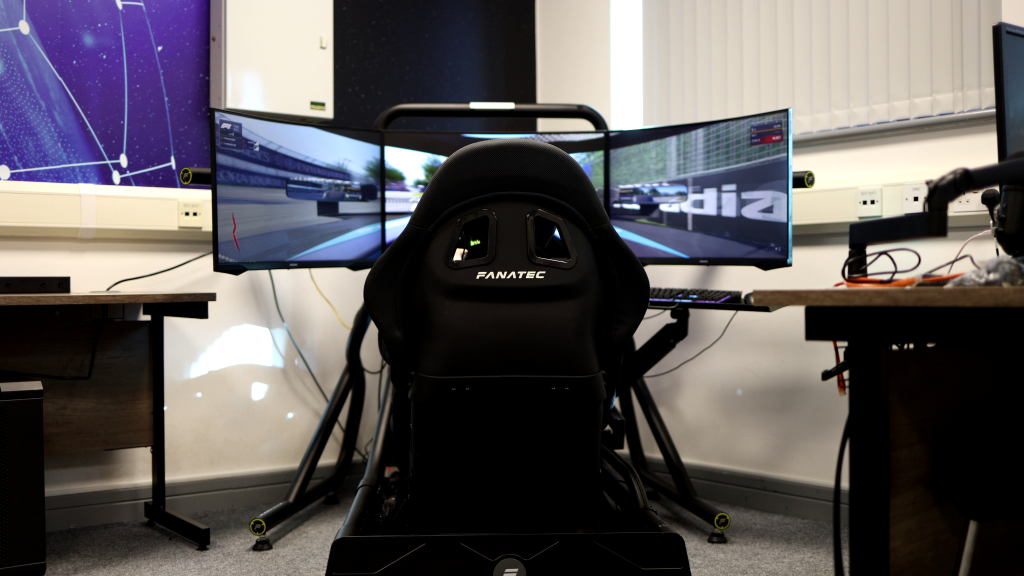
Indoor sim racing hire is usually the simplest version of this job because the venue does a lot of the heavy lifting for you. Offices, conference centres, hotels, and exhibition halls are all common picks, as long as there’s proper access for moving heavy rigs in on trolleys. Stairs and narrow doorways are where “easy setup” turns into a headache fast.
Power is normally straightforward. Most rigs run off a standard UK 13A socket, but you still need to think about total load when you’re running multiple rigs, bigger displays, or motion platforms. A good supplier will map out circuit loading and use RCD-protected distribution boards rather than stringing together cheap extensions.
Space catches people out more than power does. The rig itself can be compact, but what you’re really planning around is the operational bubble: seat clearance, room for an operator, and a queue lane that doesn’t block fire exits. Roughly 2m x 1.3m per rig is a useful starting point for total working area, but it’s not a fixed rule. Factor in spectator space and enough room for the queue to actually move without clogging up walkways.
Ceiling height rarely causes problems unless you’re adding truss, lighting, or VR setups that need clearance above the rig. Most standard conference spaces clear 2.7 metres or more, which is plenty for monitors and seated sim rigs.
Flooring is the one people forget. You need your cable routes sorted so nobody trips, and you may want protection mats depending on the venue surface and how much vibration the rigs kick up through the floor.
Corporate events, conferences, and product launches tend to default to indoor hire for exactly this reason. The environment is controlled, performance stays consistent all day, and nobody’s checking the weather forecast the night before.
What typically affects the quote: rig count, single vs triple screens, staffing hours, and how awkward the load-in route is.
Two rigs in a conference foyer with short queues and stable power can run a full morning slot and be packed away before lunch.
Outdoor Sim Racing Hire

Image Source: SimStaff
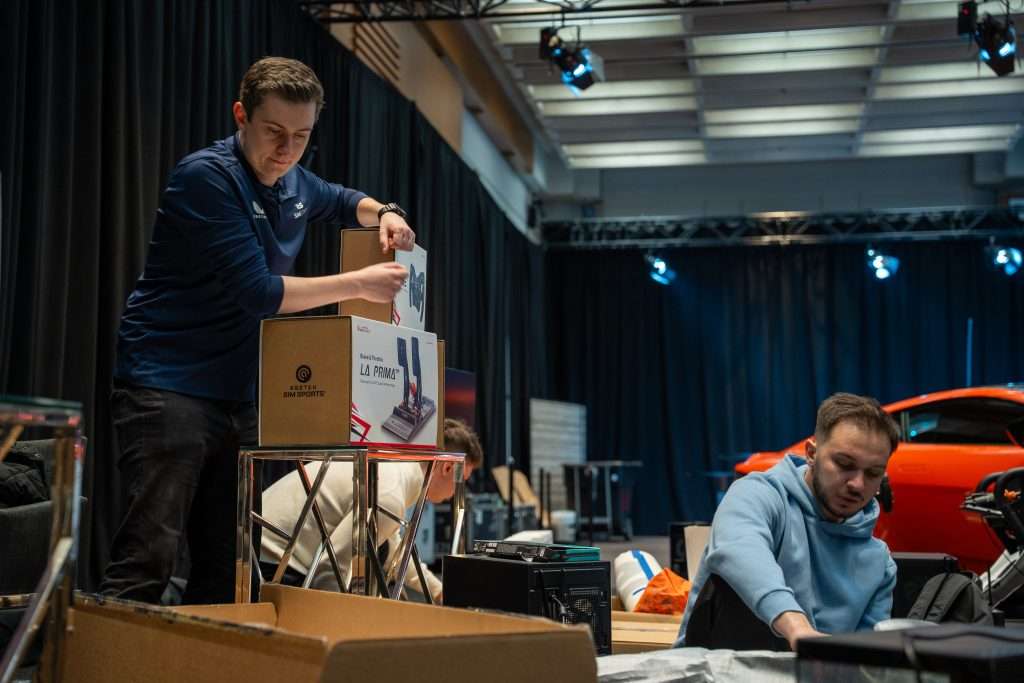
Outdoor racing simulator hire is not “stick the rigs outside and hope for the best.” In reality, almost every outdoor setup is planned around shelter, because you’re putting expensive PCs, screens, and cabling into a public space. That means a marquee or covered structure, not rigs sitting in the open.
You’ll usually find these setups in courtyards, car parks, festival grounds, and brand activation zones. The first two questions are always the same: is the ground level and stable, and where is the power coming from? If the surface is soft, uneven, or likely to puddle after rain, you’ll probably need trackway, platforms, or event flooring to keep rigs steady and cables out of standing water.
Power outdoors is where planning gets real. Venue mains is the cleaner option, but you need to confirm what’s actually available near the setup area, not just “somewhere on site.” If a generator is needed, sizing depends on rig count and overall draw. Multi-rig setups can sit anywhere in the 20 – 36kW range depending on total spec, but it’s always calculated against the actual load. Either way, proper distribution, protection, and cable management are all part of the job.
Then there’s crowd flow. Outdoors, queues build faster because people can spot the setup from further away. You need barriers, signage, a clear operator position, and a queue lane that won’t choke walkways or block emergency routes. That’s the difference between an outdoor setup that runs smoothly and one that creates problems by lunchtime.
Outdoor setups also tend to grab attention in a way that a conference room never will. People see the rig, hear the engine audio, and they’re already walking over. That visual pull is a real advantage for brand activations and public-facing events.
What typically affects the quote: marquee or shelter hire, flooring and trackway, power solution, extra crew time, and a weather contingency plan.
Picture a festival courtyard under a branded marquee. Sidewalls blocking the glare, fans keeping air moving on a July afternoon. That kind of setup pulls steady foot traffic for hours without the experience dropping off.
Marquee Sim Racing Setup Explained
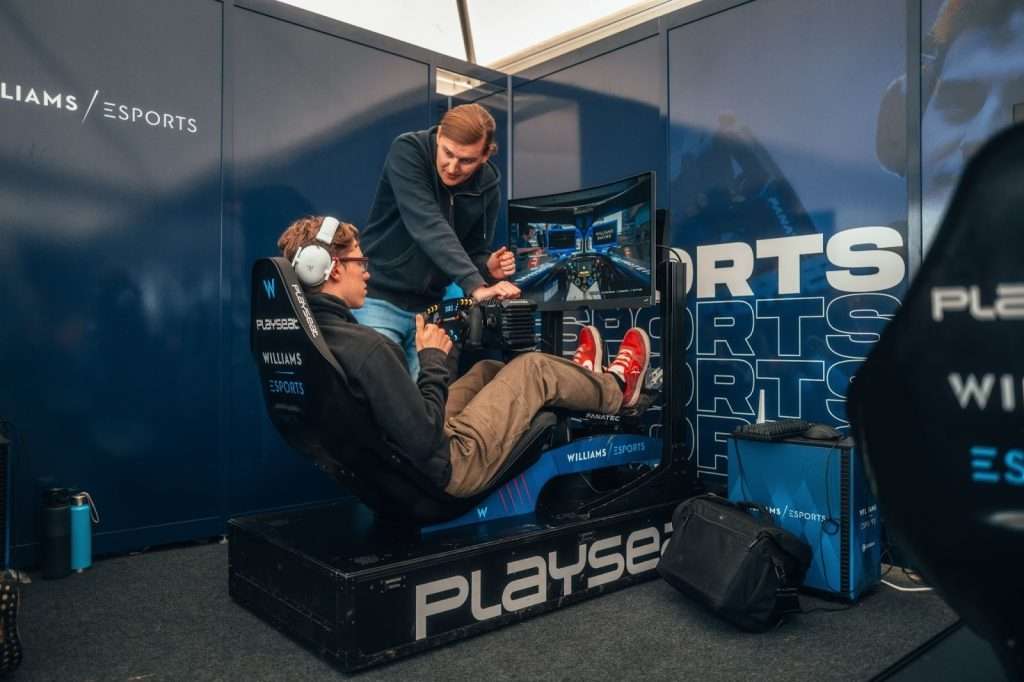
Image Source: SimStaff
A marquee sim racing setup is basically how you turn an outdoor space into something that behaves like an indoor venue. Yes, it keeps people dry. But the real job is protecting the gear and the experience from what actually ruins outdoor activations: sun glare, wind, and sudden rain.
If you’re planning outdoor racing simulator hire, assume you’ll need some form of covered structure unless the site already has proper shelter. The big things to think about are anchoring, flooring, and how sealed the space needs to be if the weather turns.
- Anchoring: marquees need proper ballast or ground anchors, and every structure has wind limits. That’s why suppliers care about the forecast, site exposure, and where the marquee sits relative to buildings and open ground.
- Flooring: rigs hate uneven ground. Interlocking tiles or raised event flooring gives you a level base, keeps pedals stable, and stops cables sitting in damp patches.
- Light control: screens look awful when the sun hits them. Sidewalls, controlled openings, and internal lighting sort this out once the natural light shifts or the day turns overcast.
- Branding: this is where outdoor can beat indoor. External wraps, flags, internal backdrops, and LED panels turn the marquee into a branded space people want to walk into, not just a shelter.
A good supplier will also arrive with rigs packed in flight cases, so load-in is fast and teardown doesn’t hold up the rest of the event.
Weather for Sim Racing Events
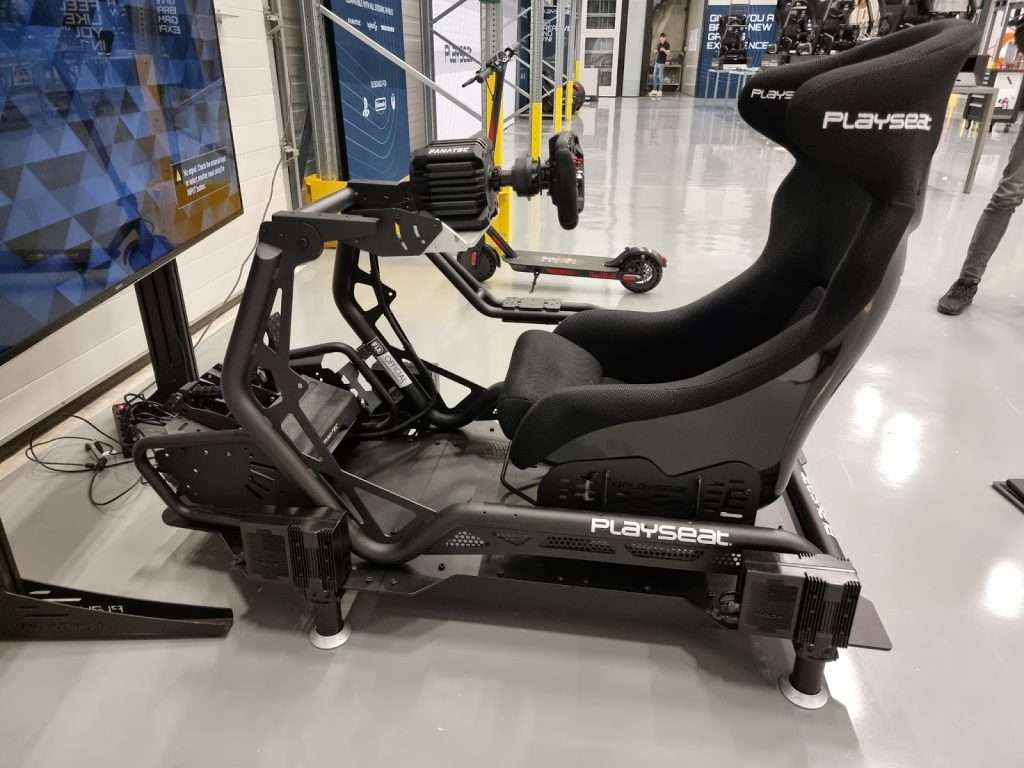
Image Source: SimStaff
The weather is the single biggest difference between planning indoors and planning outdoors. The goal isn’t to cross your fingers and hope for sun. It’s to take weather off the table completely, so the experience stays the same whether it’s blue skies or blowing a gale.
- Rain: the real issue isn’t people getting wet. It’s water near power and electronics. Full cover, raised flooring, protected distribution boards, and cable ramps keep everything dry and safe. If the structure is properly enclosed with sealed joins and elevated flooring, rain shouldn’t affect the experience at all.
- Wind: this is the one that can force changes. It affects marquee stability, screens, and branding. Wind-rated structures and proper anchoring handle most conditions. But you also need active monitoring and a clear plan for when things pick up. Pause the activity, secure loose kit, or shut it down entirely. There’s no version of “push through it” that’s worth the risk.
- Heat: PCs throttle when they get too hot, which means performance drops, monitors wash out, and nobody wants to queue when they’re baking. Fans, ventilation, shade, and spacing between rigs keep the air moving and the hardware running properly.
- Glare: even on a dry, still day, direct sun can make the screens unreadable. Sidewalls, shading, and positioning rigs so screens face away from the sun sorts this out without much fuss.
All of it is manageable. It just means outdoor events need a supplier who plans for the worst version of the day, not the best one. SimStaff builds weather contingencies into every outdoor booking, so you’re not scrambling if the forecast shifts two days before the event. That’s how you run outdoor sim racing without the experience falling apart halfway through.
Which Option Is Right for Your Event?

Image Source: SimStaff
If you’ve got a solid indoor venue with reliable power and you want the lowest-risk setup, indoor is usually the smarter call. It’s faster to plan, easier to control, and you’re not fighting the elements.
If your goal is foot traffic and visibility, outdoor racing simulator hire can outperform indoor, but only if you’re willing to plan shelter, ground, and power properly. In most cases, that means a marquee sim racing setup.
Ask yourself: Where exactly are the rigs going, and where does the queue go? Do we have power where the rigs are going, not just somewhere nearby? Is branding and visibility important to the brief, or is this a controlled internal event? Are we ready for weather changes, or do we need a fallback plan?
Plenty of events blend both: indoor rigs for booked attendees, outdoor rigs for walk-ups. There’s no rule that says you have to pick one or the other. SimStaff can scale to fit either setup or both, and we’ll adapt if your plans change between booking and event day.
Indoor vs outdoor matters, but the bigger question is whether your supplier has done both and knows what catches people out. SimStaff handles sim racing hire from start to finish. We supply the rigs, handle setup and operation, provide on-site staff, and pack everything down after.
If you’re not sure what’s realistic for your space, get in touch before you lock anything in. We’ll help you figure out what works and make sure the day goes to plan.